GERMANY`S CULINARY DIVERSITY: A TASTE OF A CHANGINGCOUNTRY
Mrs. Katja Heusel Wife of German Consul General Thomas E. Schultze
2026-10-03
German cuisine is often associated with G sausages, sauerkraut and potatoes.
This traditional image however tells only part of the story. Germany today has one of Europe`s most diverse culinary landscapes, shaped not only by its many regions, but also by immigration and changing lifestyles. German food has become a fascinating mixture of tradition, regional identity and international influence.
For the Babyboomer generation, food was connected to family routines. Lunch was the main meal of the day, while `Abendbrot` was a simple and practical evening ritual.
Family would gather and eat a variety of sliced bread, cheese and Wurst. It would vary day by day as Germany has more than 3,000 varieties of bread and baked goods and therefore one of the most diverse bread cultures in the world.
Wurst like bread was and still is one of the defining elements of German food culture. The one single `German sausage` does not exist. Sausage making has a long tradition of craftmanship that became a distinctive culinary art over time. It be fresh, smoked, boiled, grilled or cured. They can be made from pork, beef, veal or combinations of meats.
Over the decades due to fexible working patterns, dual-income households and increasingly different daily schedules of family members, dinner moved later and became more substantial. At the same time, food became associated with enjoyment, socializing and lifestyle.
Today, Germany therefore has a new meal rhythm. A light breakfast may be followed by a modest lunch or meal eaten at work and a more substantial dinner in the evening.
This transformation is not simply a change in eating habits. It reflects the transformation of society from fixed family routines and working hours towards greatermobility, international influences and a more individual approach to food.
Regional differences, which have always been at the heart of German cuisine, have become less pronounced.
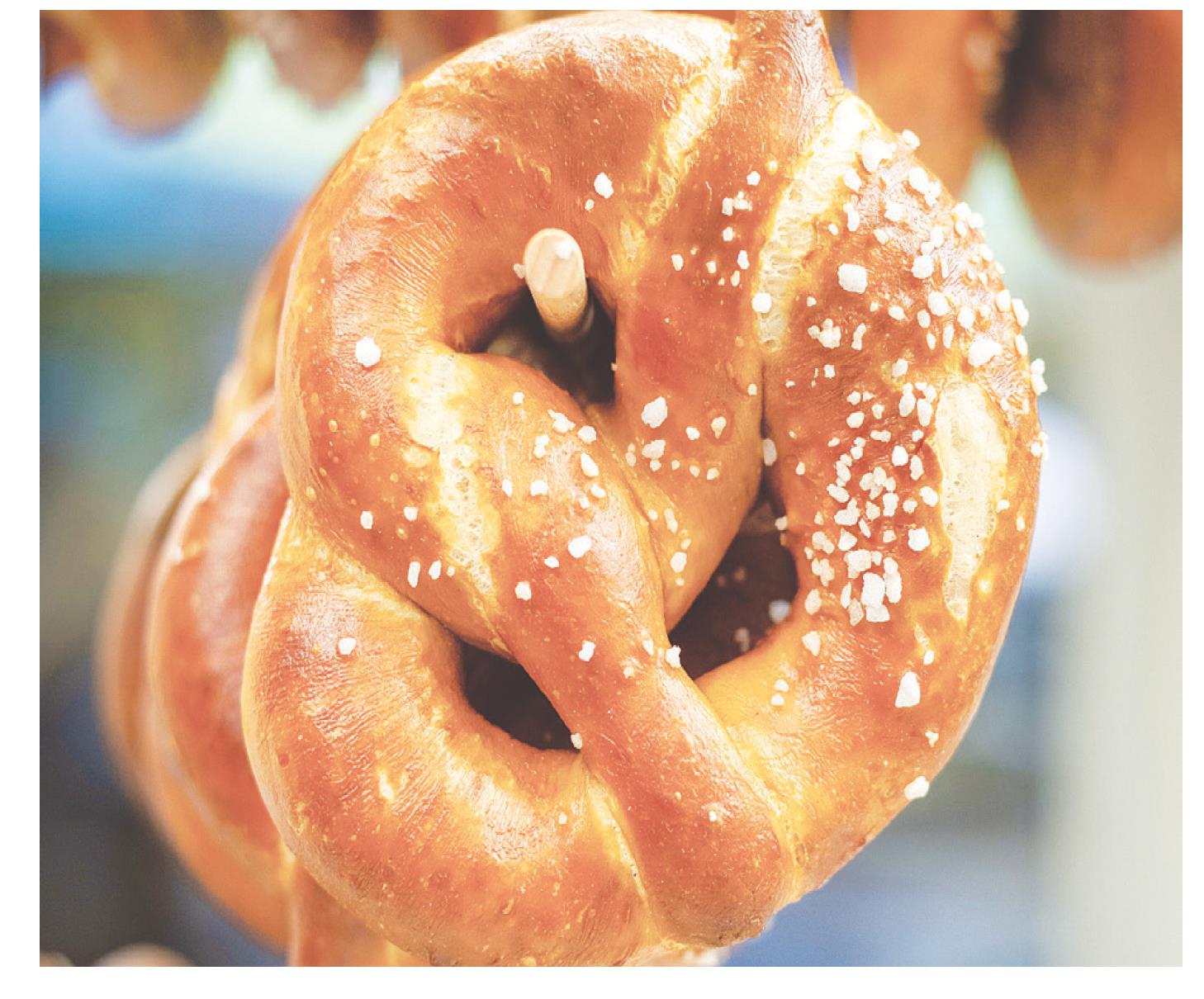
In the north smoked fish, herring, potatoes and cabbage reflected the climate and the proximity to the sea. In the west, particularly in the Rhineland, French and Belgian influences shaped local dishes. Bavaria was associated with Weißwurst, Pretzels and dumplings.
Today these signature dishes can be found throughout Germany and have become integral part of the national culinary landscape. Regional dishes are being rediscovered and presented in modern ways, often combining traditional recipes with contemporary techniques and international ingredients.
Immigration has played a particularly important role in this transformation, making German Cusine more diverse and vibrant.
The döner kebab is the most famous example. Developed in Germany by Turkish immigrants, it has become one of the country`s most popular fast foods. Italian cuisine has had an equally profound influence as well as Levantine and Asian cuisine.
Interestingly, Abendbrot has not disappeared. For some Germans, it remains a cherished symbol of simplicity and tradition.
German cuisine today is therefore not a single cuisine but a mosaic of regional traditions and international influences that has been profoundly shaped by migration and cultural exchange.
The result is a food culture that respects its past while continuously reinventing itself.