Curzon`s impact on British India
2014-04-06
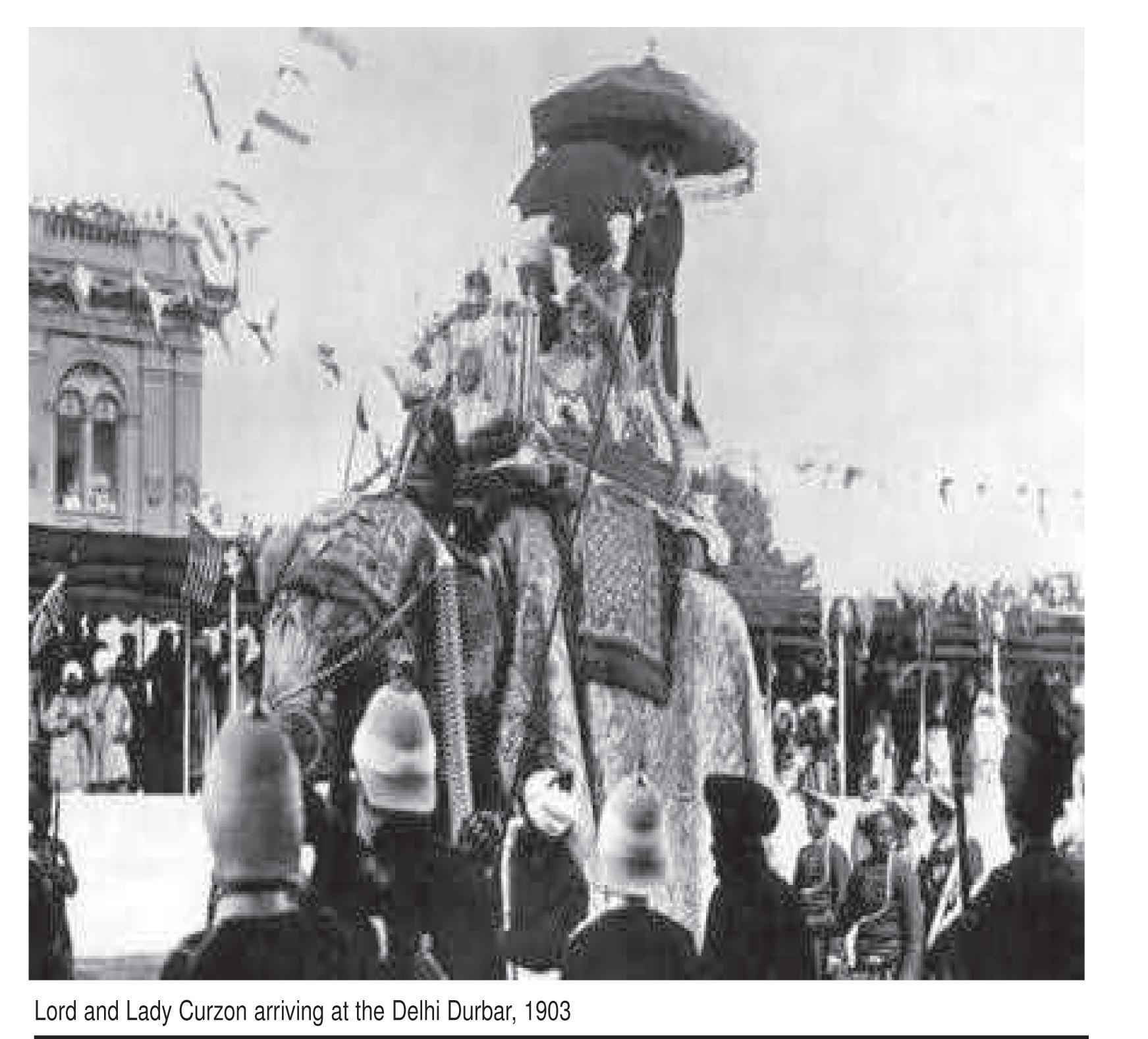
URZON`S Indian Viceroyalty, as noted, has attained legendary status; his towering personality easily lends itself to biographic studies, often verging on the hagiographic in the case of his many admirers and contemporaries, of the `Great Man` school of historiography. Yet, as this book, Curzon and the Limits of Viceregal Power: India, 1899-1905, states, neither Curzon nor any other Viceroy in the colonies ever functioned as autonomous kings in their realms. The Viceroy was not a figurehead; rather, in India he was `located in an interconnected network of people whose careers were also spent in carving Britain`s imperial interests,` incorporating varying levels of authority and power. The structure of colonial governance was not peopled by like-minded officials striving for a common aim.
As the book has progressed, the ways in which Curzon`s potential, seemingly limitless at the outset of hisViceroyalty, and bolstered by the factors identified, was constrained by the realities of the networks of colonial governance, have been made manifest. Most of Curzon`s actions brought about counter-reactions from his colleagues, who had views and motives that differed from his.
Curzon`s exercise of Viceregal authority to achieve his stated ends for Indian administration was aided considerably by some of his colleagues. But if friends in high places were an asset, it is equally evident that other equally highly placed friends were in fact responsible for the acrimony that was the hallmark of the later stages of Curzon`s time in office. This is just one illustration of the ways in which the structure of power surrounding Curzon operated to suffocate his autonomy of action and reduced his impact on Indian administration. Curzon`s efforts to impose his will on the Indian administrative machine, to give it strong leadership, were tempered by wider political, social and economic constraints. Obviously, some of the very factors which served to constrain him had also helped him under certain circumstances and certain points of his term: `different aspects of the personal equation will condition the individual actor`s potential effectiveness in different leadership situations.` As always there are extrinsic and intrinsic factors; ones that stemmed from Curzon`s own handling of the situation as he analysed it, and ones that he had relatively less control over reactions to him.
Curzon`s own lack of people skills led him to get into snarls with his governors and other officials and they then complained about him to London, with the result that he received rather less cooperation than he would otherwise have got. In this case the policy of permitting the Presidency Governors to correspond directly with London worked to Curzon`s disadvantage, especially in the early days of his term, when Havelock was in office at Madras. Of course, that they wrote about their wrongs at the hands of Curzon was not something that could have been forecasted. As Burns notes in his seminal work, `leaders . . . are cognitive, fact-gathering, calcu-lating creatures who link their goals and even subordinate them to the realities of the structures of political opportunity.
Curzon was definitely a fact-gathering and cognitive individual, but he could not dissimulate and sublimate his goals to the extant climate; rather, the extant climate, if it hindered the achievement of his goals, had to be worked around.
Curzon could not, or would not, perceive the necessity of biding his time before springing any action upon his colleagues. When he did try to do so, notably over the creation of the NWFP, it resulted in the concerned party being more than usually offended. Obviously, when it came to matters of administration, it did not really matter, as he was the Viceroy and as long as he was able to produce concrete justification for a move, it was usually accepted by the rest of the Government of India. But this lack of a sense of timing and diplomacy let him down in the political realm, especially in his relations with London. Kitchener knew how to pace himself he was willing to bide his time until Curzon served out a second term to put his plans for Army reform into operation. This Curzon did not know how to do.
Of course, this was tied in to other aspects of Curzon`s personality. The fact that he was obsessed by the worry that he would not have enough time to complete his work in India also suggests that he did not think he would be able to hand over power to a suitable successor. He does not seem to have made any attempt at grooming a potential successor, or discussing one with the India Office, at least during his very affable relationship with George Hamilton. The most he did was express horror that Brodrick, orKitchener, might succeed him. Nor did he appear to think that any potential successor could run India properly; his remark about Kitchener just waiting for him to depart shows that he did not think anyone else capable of controlling India.
Obviously this was a power vacuum, one created through omission. Of course, Curzon was merely following historical precedent; there was no tradition of grooming one`s successor for the Indian Viceroyalty. Curzon may have observed how the process of choosing a governor for a province almost operated automatically but the process of choosing a Viceroy seems to have been deliberately lackadaisical by contrast. There was no convention even of choosing a Viceroy who belonged to the party in power in England. But the lack of continuity coupled with the fact that the incumbent Viceroy was not usually involved in the choosing of his successor, ensured that policies could be undone at the end of five years by the expedient of choosing a more complaisant Viceroy.
Curzon`s abrasiveness has been cited, both by contemporary observers and later historians, as a key reason why he alienated people and could not create a loyalist clique. But there is not much evidence to support this charge: Ampthill, Northcote, Hamilton, Ibbetson, and Mary selfprofessed admirers all suffered his cutting sarcasm and remained, or became, supporters of his policies. In the opinion of this historian, Curzon himself rightly identified the factors that alienated people his insistence on action. It is possible that the bureaucracy would have put up with his outbursts had they not been accompanied by spot checks on the state of the various projects he insisted they work on. E