Museum presents enduring legacy of Confucian culture
2026-10-12
THE Confucius Museum, located in Qufu, East China`s Shandong province, offers a window into the life and teachings of Confucius and the history of Confucian culture. Among its many treasures are objects that reveal the artistry, beliefs, and traditions of different eras in Chinese history.
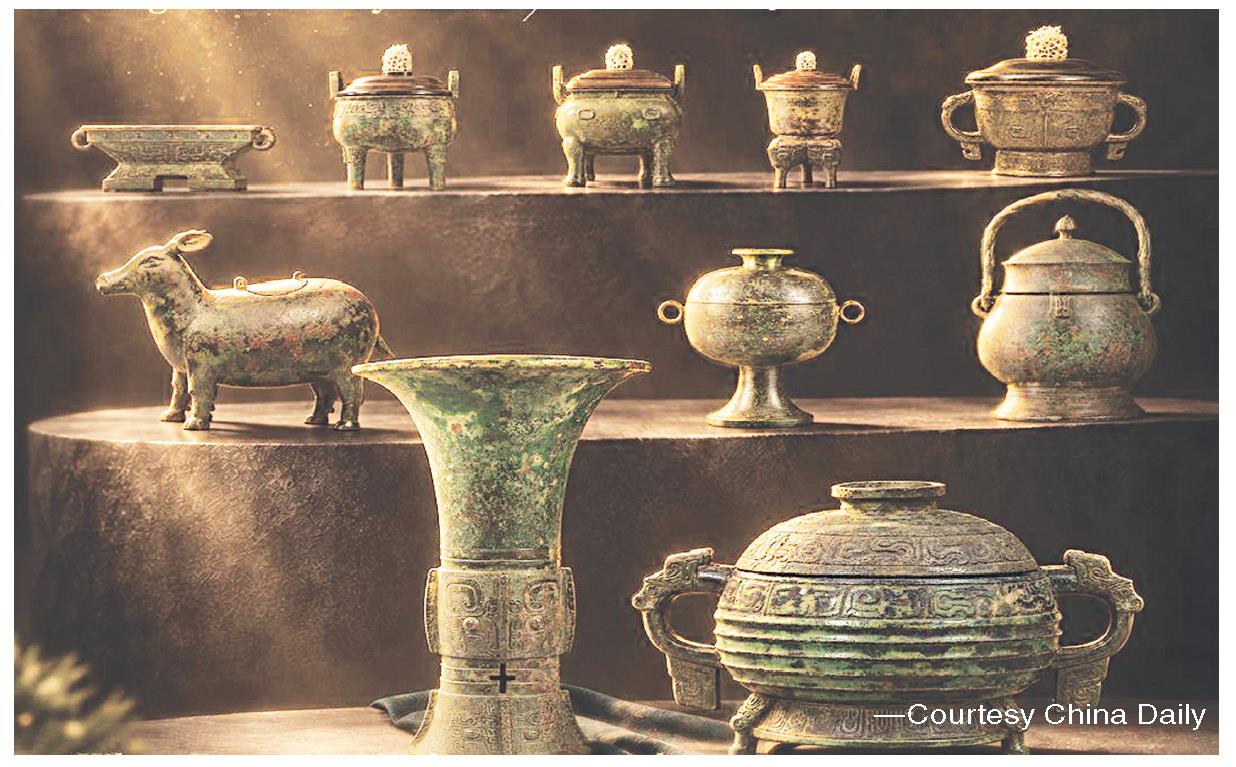
In 1771, Emperor Qianlong of the Qing Dynasty presented the Confucius family with 10 bronze ritual vessels during a visit to pay homage to Confucius. From food vessels to wine containers, the collection reflects the artistry of ancient Chinese bronze craftsmanship.
The vessels were used in ancient Chinese ceremonies and reflect the importance of ritual in traditional Chinese society, with their varied forms and intricate designs revealing how bronze craftsmanship served both practical and ceremonial purposes.The museum includes a yellow jade horse, unearthed in Qufu, dating back to the Warring States Period (475-221 BC).
Standing just 5.7 centimetres tall, it is a small but expressive work of art.
Its upright ears, rounded eyes, and gently curved mouth give it a distinctive character, while finely carved lines bring out the contours of its body, demonstrating how ancient artisans used a small piece of jade to capture the form and spirit of a horse.
Confucius once said: `A fine horse is praised not for its strength, but for its virtue.` In Confucian thought, the horse can evoke qualities such as loyalty, courage, benevolence and wisdom, while jade has long been admired as a symbol of noble character. Together, these traditions invite us to see beyond the carving`s lifelike beauty to the virtues it evokes.-China Daily/ANN