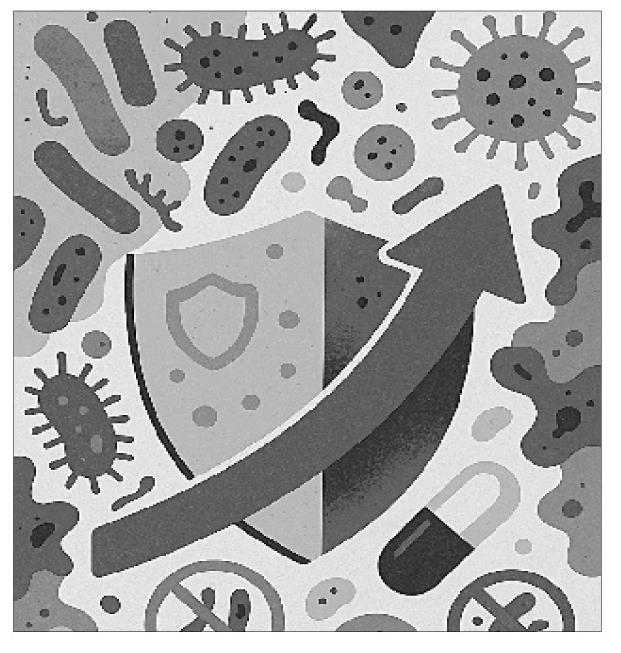
Antibiotic resistance
2025-11-17
THE excessive use and over-the-counter (OTC) sale of antibiotics have pushed Pakistan into a dangerously worsening crisis of antimicrobial resistance (AMR).
Common infections that were once easily treatable with antibiotics have now become increasingly difficult to cure. For several illnesses, such as cold, flu, dengue and malaria, antibiotics are not needed, but they are often prescribed. On the other hand, many patients continue to engage in self-medication.
Drug-resistant bacteria are spreading rapidly in hospitals across Pakistan, making the treatment of various diseases increasingly difficult. Infections that once responded to simple antibiotics now require higher dose or stronger last-resort drugs.
Common antibiotics are losing their effectiveness against many bacteria.
There are countless cases of unnecessary antibiotic use. Even in hospitals, the pressure to treat resistant bacteria often leads to overuse of drugs, which, in turn, strengthens these microbes over time.
When hospitals fail to strictly follow infection control measures, resistant germs spread quickly, making treatment more complicated and increasing rates of illness and death.
According to the World Health Organisation (WHO), microbial resistance is spreading much faster than the development of new antibiotics. Unfortunately, the situation is worse in Pakistan due to weak infection control practices, especially in public hospitals and rural health centres that lack both staff and financial resources.Hand hygiene is one of the simplest yet most effective ways to prevent resistance against antimicrobes. Pakistan needs to educate healthcare workers particularly those at the community level about hygiene and infection prevention practices.
Isolating patients with resistant infections, properly disinfecting medical equipment and bedding, and maintaining strict sanitation standards are essential to reduce cross-contamination.
Pakistan`s AMR action plan must focus heavily on raising public awareness.
Doctors, pharmacists and people need to understand how the misuse of antibiotics can render treatments ineffective. The government must establish strong infection control committees in every hospital and enforce rigorous hygiene standards.
It should strictly prohibit the sale of antibiotics without a valid prescription. If current trends continue, many common infections in Pakistan could become untreatable, ushering in a post-antibiotic era.
Muhammad Faizan Ali Karachi