Securing Pakistan`s energy future
By Syed Tariq Hasany
2026-10-19
he oil-rich Arabian Peninsula is surrounded by vital maritime routes, yet the region`s strategic geography leaves it vulnerable to disruption of oil supply. Pakistan has been closely linked with the region, not only religiously but politically and economically, and these entanglements have profound implications for Pakistan. These maritime routes are rightly regarded as lifelines of the global energy system because they carry vast quantities of oil and gas. The Red Sea, Persian Gulf, and Arabian Sea serve as essential trade corridors, yet they remain exposed to significant security risks.
The Strait of Hormuz in the Persian Gulf and the Bab el-Mandeb Strait in the Red Sea, between Yemen and Djibouti, came under renewed threat after the US attack on Iran on Feb 28, disrupting shipping routes and energy supplies.
Partial maritime traffic through the Strait of Hormuz, including some oil shipments, has reportedly resumed. In Yemen, Houthis have maintained a significant presence in the Red Sea and in the ports since 2014. After the capture of the Yemeni port city Mocha on Sept 10, and taking control of Dhubab and Perim Island, Saudi-backed Yemeni government forces led by Tareq Saleh were forced to abandon the port. Now Houthis have full control and have made their intent clear to attack Saudi-linked shipping lines. For Saudi Arabia, Houthi control of the Bab el-Mandeb Strait is a serious concern, raising fears that the passage could be closed at any time. Saudi Red Sea deep-sea oil terminal, Yanbu (King Fahd Industrial Port in Yanbu), was established in 1980 on the Red Sea coast as an alternative route to ship crude to Europe via the Suez Canal and down through Bab el-Mandeb.
Yanbu is fed by the 1,200km East-West Pipeline (Petroline), built in 1981, which pumps oil from the Abqaiq oilfield. The pipeline has a capacity of 7 million barrels per day, bypassing Hormuz. After a drone strike on Sept 11, launched from Iraq, the pipeline was damaged and temporarily shut down for five to six weeks for essential repairs. A 20-kilometre-long narrow passage at the Red Sea entry point is inching closer to disrupting trade entirely after the conflict, which has now turned into a full-fledged war. The region and the Gulf countries supply more than 20 percent of global oil. The border dispute between the neighbouring Arab states dates back to the 1934 Treaty of Tait, under which Saudi Arabia gained control of Asir, Najran, and Jizan. Although the treaty established a formal settlement, the underlying tensions never fully disappeared and periodically resurfaced.
Yemenis believed the truce was under duress, and they were unwilling to accept it from the outset. Since 2015, the Yemen and Saudi conflict has lingered not only because of political and border disputes but also because of religious tensions and Iranian backing of the Houthis. But after full control by the Houthi of the Red Sea`s strategic entry points and ports at Bab el-Mandeb, Saudi oil supply through the Red Sea is under greater threat, as the Houthis have clearly singled out Saudi-linked ships as potential targets if they approach Yemeni routes.
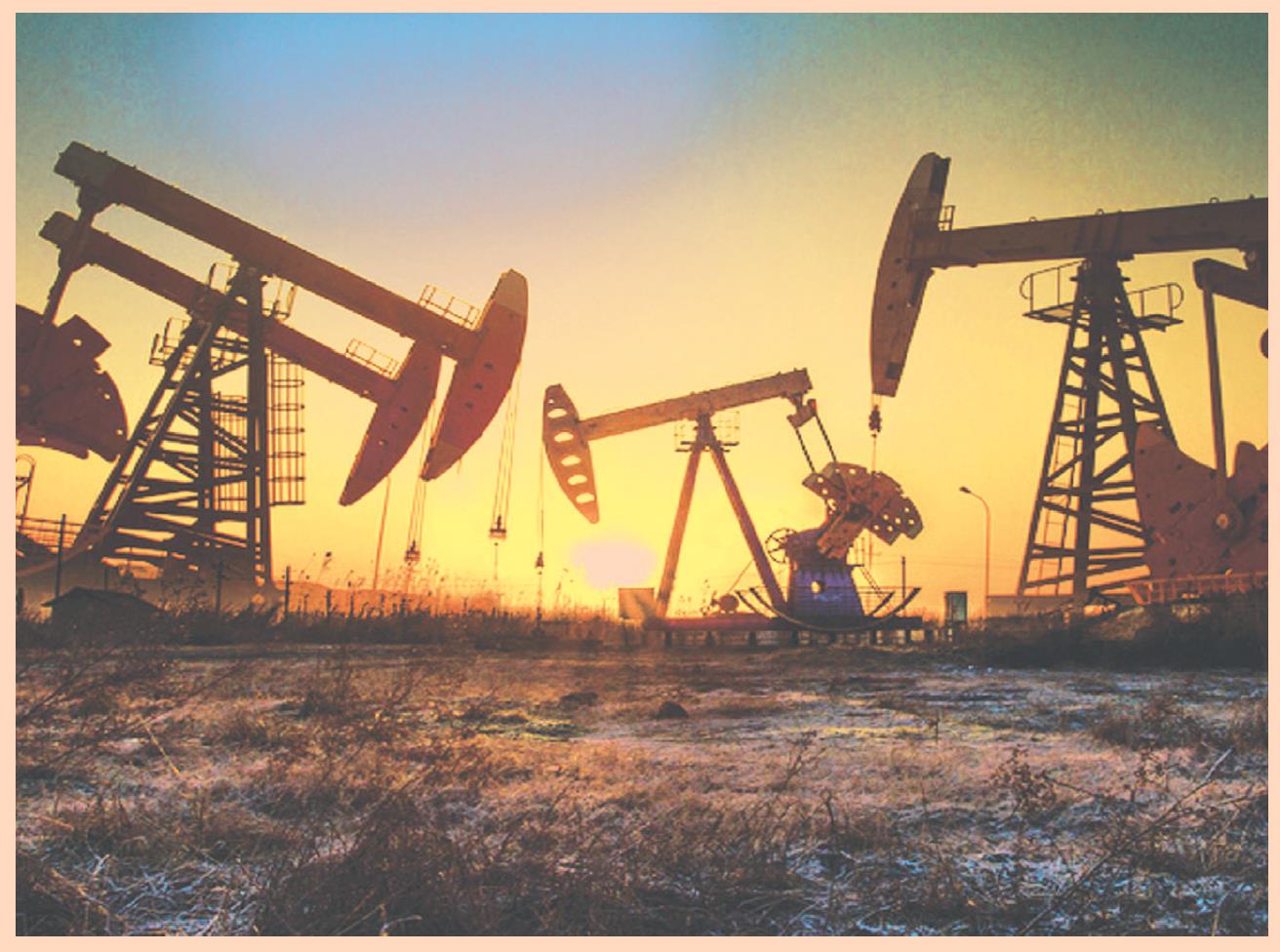
Disruptions in the Persian Gulf and Red Sea are affecting Asian energy markets,including China, South Korea, Japan, India, and Pakistan, and may persist for the foreseeable future. Pakistan is especially vulnerable because it depends heavily on Saudi and Persian Gulf oil and LNG, exposing it to higher prices and supply shortages should both routes be closed. Rising petrol prices are already straining households and the economy. Domestic production, 68,000 barrels of oil and 2.9 billion cubic feet of gas per day, meets only 16pc and 71pc of demand, respectively; the rest is imported mainly from the Persian Gulf. Yet Pakistan has a compelling exploration record, including the Sui and Mari fields. As of June this year, remaining reserves stood at 276 million barrels of oil and 20.66 trillion cubic feet of gas, enough to sustain the current output for 11 to 18 years. Increasing production could reduce imports and conserve foreign exchange.
Pakistan`s exploration sector is led byOGDCL, PPL, and Mari Gas, supported by local and international operators. Despite the heavy burden of government receivables linked to circular debt exceeding Rs5tr, the petroleum exploration and production (E&P) industry has performed exceptionally weII, though facing challenges in sustaining the high cost of drilling and exploration. The present circumstances require these companies to take the lead, leverage their strong cash positions, and rapidly maximise production from available reserves in response to the global oil crisis.
The country`s nine oilfields hold about 124m barrels in remaining reserves and 28 gas fields hold about 13.5tr cubic feet. It should increase indigenous production by drilling additional wells where needed. With global supplies uncertain, urgent and exceptional measures are required rather than waiting for political conditions to normalise.
It is imperative that our companies adopt the best technological and innovative practices in drilling and production with modern standards, recognising the urgency of the moment.
Prioritise horizontal development wells over vertical wells and use hydraulic fracturing to improve oil recovery.
With immediate action, oil production could rise by 20pc to 35pc to bridge the gap between imported oil and locally produced oil. The broader production scale-up should be completed within one to two years. Gas production should increase 20pc, from 2.9bn to 3.5bn cubic feet per day. Actual feasibility would still require field-by-field analysis of decline rates, reserves, well deliverability, and infrastructure.
Refining crude oil and petroleum products is a critical component of our national energy requirements. Our five refineries need upgrades to increase their capacity to produce refined products required by modern industry. Refining is a low-risk, high-reward business model, and every effort must be made to attract foreign and local investment to set up modern refineries that fulfil local oil needs. By accelerating exploration and production, the country can reduce its exposure to global disruptions and move steadily toward energy self-sufficiency. The writer is an energy exped with over 36 years in the global petroleum exploration industry