
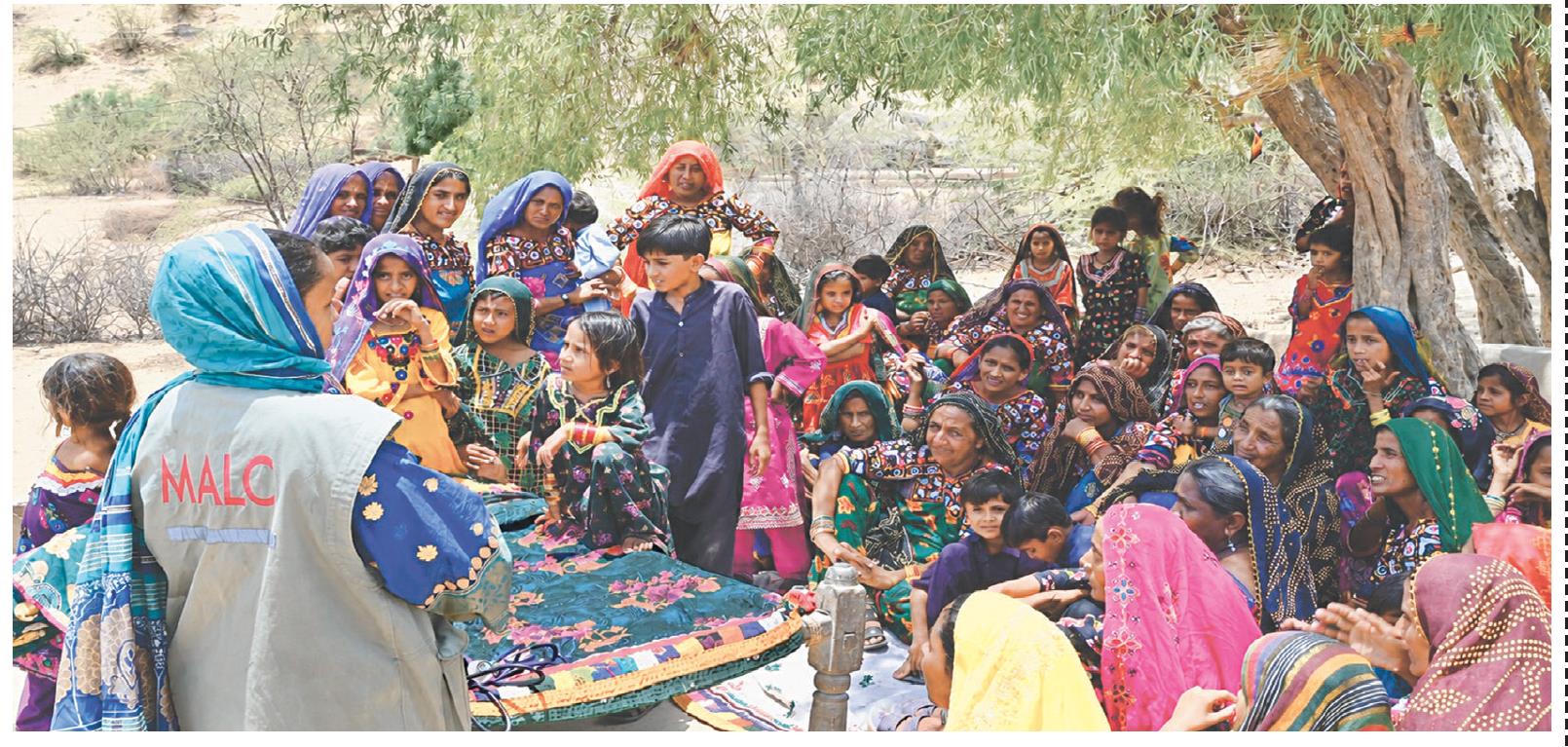
HE Marie Adelaide Leprosy Centre (MALC) is the legacy of German Doctor, Dr Ruth Pfau. It was initially established as a small dispensary in a slum on McLeod Road in 1956, which was created for people affected with leprosy. In 1962, the German Leprosy and TB Relief Association (GLRA) started supporting the leprosy control programme, and MALC’s headquarters was officially established in Karachi, Pakistan, by 1963.
In 1965, a leprosy technician training programme was launched, which upskilled individuals to screen, diagnose and treat leprosy, through the multi-drug therapy. In 1996, leprosy was controlled, and the programme diversified into other disciplines.
In 1975, the Tuberculosis (TB) programme was initiated in Azad Kashmir, while Blindness Control was launched in 1987, starting from the Makran Coastal Area of Balochistan.
The Mother & Child Healthcare programme was introduced in the late nineties, providing treatment to malnourished children and mothers facing maternal health issues.
Disaster Relief Managementbecame part of MALC’s services and launched rehabilitation and reconstruction projects across the affected areasduringthe 2005earthquakein AJK and KP, and in the 2010-2011 floods in KP and Sindh.
MALC launched the CommunityBased Inclusive Development (CBID) programme for persons with disabilities in the early 2000s. In 2025, MALC inaugurated rehabilitation centres across Sindh through Sindh government’s Department of Empowerment of Persons withDisabilities’ (DEPD) support.
As our programme continues to expand, we are now gradually inching towards zero leprosy in Pakistan. Through the generous support of government, local and international donors, MALC treats around three million patients annually, while the overall operational costs stand between 70 to 80 million rupees. These milestones have been achieved due to the efforts of the MALC team, partners, friends and well-wishers.