Eye diseases
2026-10-02
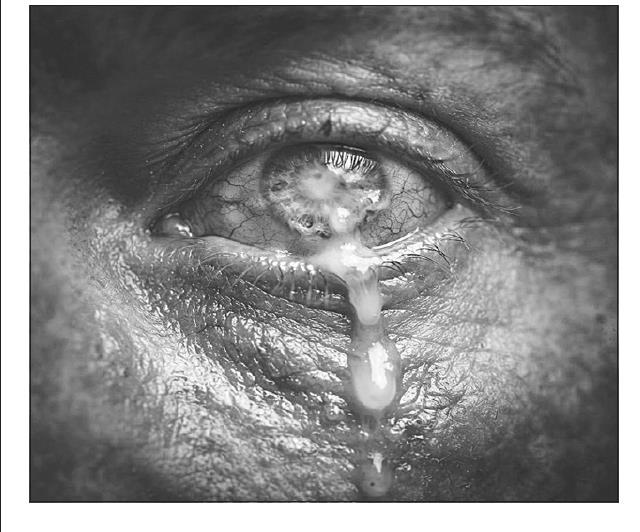
EVERY year, as temperatures rise and strong winds carry dust across Quetta, innumerable children have to endure relentless itching, redness, watering and light sensitivity. While many people tend to ignore these symptoms as ordinary seasonal allergies, they may be signs of vernal kerato-conjunctivitis (VKC), a chronic allergic eye disease that can seriously impact vision if left untreated.
Latest findings from different regions of the country have shown a noticeable increase in VKC cases, specifically among boys aged 6-12 years. Research done in Sheikhupura found that most affected children were boys, while studies in Peshawar identified long-term exposure to dust, intensive sunlight, allergic conditions, and rather poor socioeconomic circumstances as major risk factors.
Research in Hyderabad reported that nearly 22 per cent of patients developed corneal complications, whereas studies in Bannu highlighted VKC as one of the most common eye diseases among children.
Given Quetta`s hot, dry climate, regular dust storms are increasing environmental pollution, and children with prolonged outdoor exposure may even be more vulnerable to the disease. VKC shouldno more be regarded as a simple seasonal allergy. Without timely treatment, prolonged inflammation can damage the cornea and lead to long-term visual problems, eventually affecting a child`s education, confidence and quality of life.
Mass public awareness campaigns, school-based screening programmes, protective measures like sunglasses, and early medical interventions can play a vital role in reducing the burden of the disease.
Shereen Bashir Quetta