
It is both a pleasure and an honor to join the celebration of Germany’s 36th Unity Day and the 75th anniversary of diplomatic relations between Pakistan and Germany. These milestones invite us to reflect on a remarkable partnership that has connected our two countries through education, culture, science, and personal exchange for more than seven decades.
This year is also special for the Goethe-Institut. While our global organization celebrates its 75th anniversary, the Goethe-Institut in Karachi can look back on nearly seven decades of its own history, having been established in 1957.
Since then, it has served as a platform for dialogue, language learning, and cultural cooperation, helping to strengthen the bonds between Germany and Pakistan.
Having only recently arrived in Pakistan, I have been deeply impressed by the energy, creativity, and openness that define the country’s cultural landscape. One of the most rewarding aspects of my role is the opportunity to meet artists, writers, filmmakers, educators, and cultural practitioners, not only in Karachi, but also in Lahore, Peshawar, or Hyderabad. These encounters help to gain a deeper understanding of the contexts, concerns, and challenges shaping contemporary Pakistani culture, insights that will inform and guide our work in the yearsahead. Everywhere I have gone so far, I have encountered a genuine openness to engage across cultures, share ideas and experiences, and learn from one another.
This spirit reflects the very mission of the GoetheInstitut. As Germany’s cultural institute, we seek to foster international cultural exchange, promote the German language, and create spaces where people can meet, discuss, and develop new ideas together. In an era shaped by geopolitical tensions, technological transformation, and global challenges, this mission is more important than ever.
Nowhere is this mission more visible than in the longstanding friendship between Germany and Pakistan. The two countries have built a rich and multifaceted relationship rooted in educational cooperation, artistic exchange, and people-to-people connections. For decades, the GoetheInstitut has contributed significantly to strengthening these ties, creating opportunities for dialogue, leaming, and collaboration between German and Pakistani communities.
Building Connections Through Language Language has always been at the heart of our work. Across Pakistan, a fast-growing number of students choose to leam German, motivated by academic opportunities, professional ambitions, and an interest in German and European culture.
Language leaming opens doors not only to education and careers but also to new perspectives. It enables people to engage with literature, science, art, and ideas while deepening their understanding of other societies.
Many Pakistanis who have studied German have gone on to pursue higher education in Germany, participate in academic exchanges, or build professional careers.
In this way, language education becomes much more than classroom instruction, it becomes a foundation for lasting international friendships.
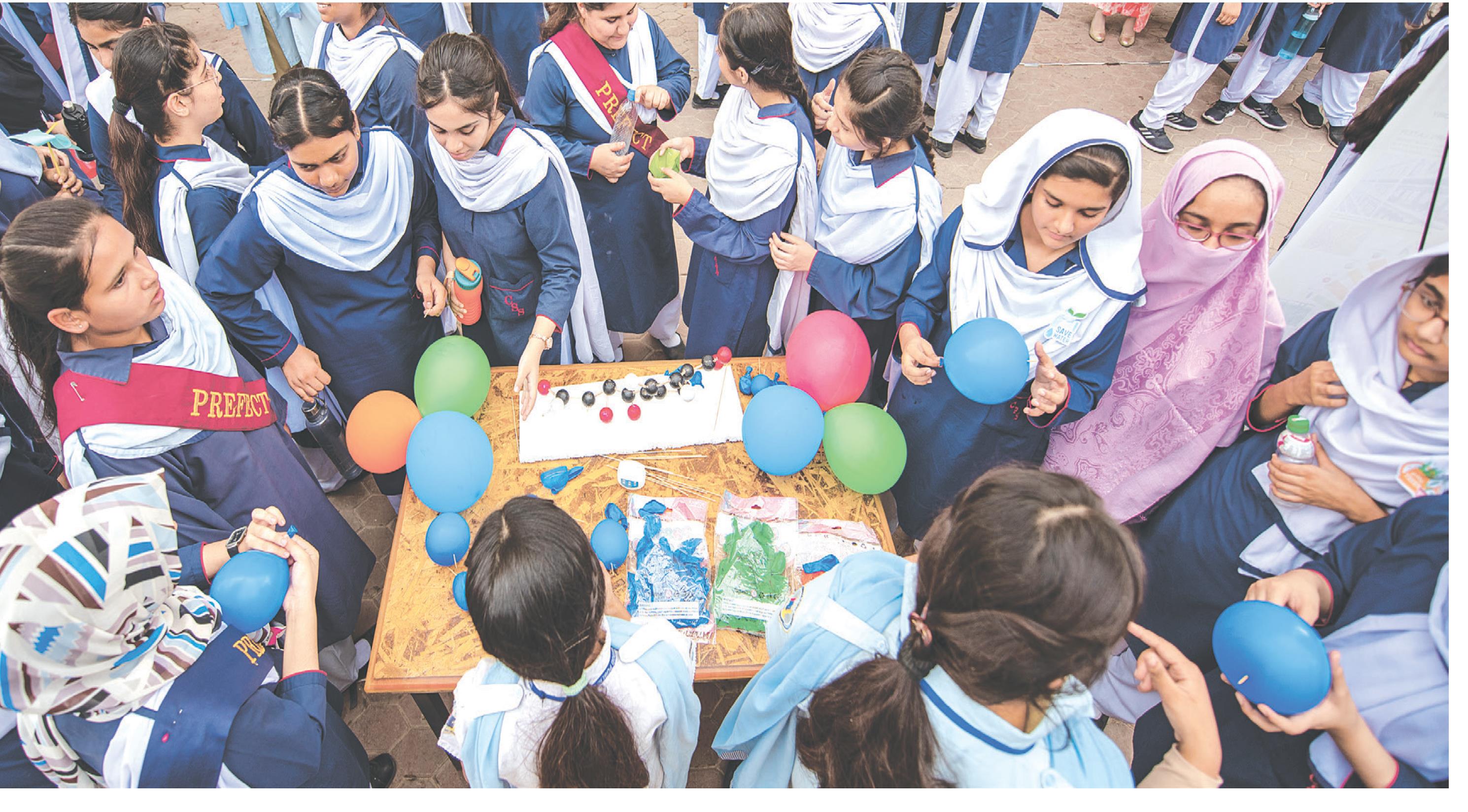
Fostering German-language education across Pakistan and engaging young people through initiatives such as the Science Film Festival or a student camp in Multan this October are key elements of our work. These programs create spaces for learning, exchange, and international understanding among the next generation.
Culture as a Space for Dialogue Cultural exchange extends far beyond language.
Over the years, German and Pakistani artists have collaborated in the fields of visual arts, literature, film, music, architecture, and theatre. Their projects have explored topics ranging from identity and urban development to environmental sustainability and social inclusion.
At the Goethe-Institut, we seek to be an active and integral part of Pakistan’s vibrant cultural landscape. We work closely with local partners and regularly bring German artists, thinkers, and cultural practitioners to festivals, exhibitions, and public programmes across the country. This autumn, for example, we are contributing several acclaimed productions from Germany to Karachi’s World Culture Festival, including performances by the Keno Harriehausen Quartet, which will also tour Islamabad and Lahore, as well as workshops and presentations by dancer and choreographer Sara Angius and mural artist Claudia Walde.Such collaborations generate far more than artistic achievements. They create lasting professional networks, inspire new perspectives, and foster relationships built on mutual respect and trust. The connections that emerge through cultural exchange often endure long after individual projects have come to an end, creating a foundation for continued dialogue and cooperation between our societies.
A Partnership for the Future Looking ahead, Germany and Pakistan face many of the same global challenges, including climate change, digital transformation, demographic shifts, and the pursuit of sustainable economic development. Meeting these challenges will require dialogue, innovation, and international cooperation. Cultural exchange has an important role to play in this process because it helps cultivate the skills and attitudes needed in an interconnected world: openness, creativity, critical thinking, and a willingness to engage with different perspectives.
As we celebrate 75 years of diplomatic relations and nearly seven decades of Goethe-Institut activities in Pakistan, we can take pride in what has been achieved together. More importantly, we can look forward with confidence. The friendship between Germany and Pakistan continues to be shaped by the people who study, create, collaborate, and build bridges between our societies every day.
The Goethe-Institut remains committed to supporting this shared journey and to creating opportunities for future generations to learn from one another. I warmly invite all readers to become part of this ongoing exchange and to join us at one of our many cultural and educational activities.
Bis hoffentlich bald!