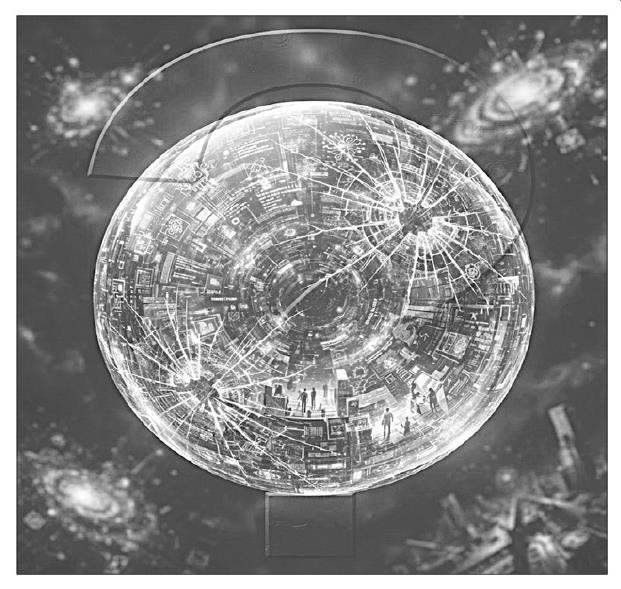
Is AI a bubble about to burst?
2026-10-04
THIS is with reference to the letter `AI and reality` (Sept 3) and article `Dirty data centres` (Aug 1) which rightly pointed outthat consideration should be given to the challenges associated with building artificial intelligence (AI) data centres.
However, the emphasis on supposed excessive water usage in this regard is rather misplaced. Evidence that a handful of ChatGPT queries can consume 500ml of water is based on variable and often conflicting estimates. Most modern data centres, including the one inaugurated in Pakistan (Sl(y47), use direct-to-chip cooling systems that are closed loop cooling systems designed to significantly reduce water usage compared to evaporative cooling systems that were prevalent in the past.
Besides, coupling data centres with solar energy further increases their water efficiency. Recent analysis has shown that one of the largest data centres in the United States, approximately 50 times larger than Sl(y47, uses a mix of evaporative anddirect-to-chip cooling, and consumes about the same amount of water annually as three fast-food restaurants. If there is a strain on water supply, it is likely caused by poor water management.
Thisisnotto say the concerns are unfounded; only that fixating on water distracts from the more important elements.
The strain on the electrical grid during peal( hours is a real problem. So is the reliance on dieselgenerators to sustain 24-hour operations that carry their own environmental costs. More broadly, there is an important discussion that we should consider, which relates to the economic sustainability of AI-focused data centres.
Graphics processing units (GPUs) depreciate veryfast,depending on usage, and most front-running AI labs are yet to show a credible path to profitability, highlighting the risk of an AI bubble.
Worldwide, financial institutions are gradually realising the true holistic cost of AI usage and starting to pull bacl( fromover-investment. It is important that all those pushingforhaving data centresin Pakistan also look at the many long-term economic forecasts and demand patterns, instead of getting caught up in hype cycles.
ShareefKhalid Lahore