
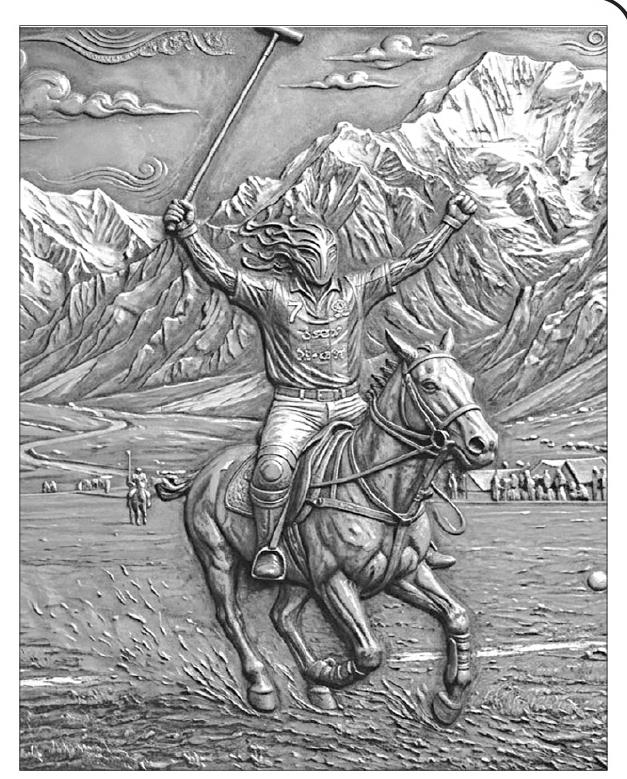
T HER E is much excitement, anticipation and renewed energy among players across Chitral ahead of the Shandur Polo Festival, which is just days away. Shandur is not merely a sporting event; it represents the shared culture, heritage and identity of Chitral and Gilgit-Baltistan (GB). Held at the world’s highest polo ground at 12,200 feet called the Roof of the World the festival offers players a dream platform to showcase their talent.
Traditionally, a tournament is held ahead of the main event, featuring around 60 teams and nearly 360 players. While it may appear as just another competition, it is in fact a rigorous test for the selection committee. Choosing a limited number of players from a large pool of talented individuals is both a difficult and sensitive task.
However, the selection process has often come under scrutiny in the past. There have been instances where decisions were perceived as surprising and controversial.
Allegations of ignoring capable and experienced players have surfaced repeatedly, while notable polo players from institutions, such as Chitral Police, Chitral Scouts, and Levies have sometimes failedto secure a place in the final team.
Polo in Chitral is more than just a game; it is a centuries-old tradition and a vital part of the region’s cultural heritage.
The freestyle polo of Chitral, known for its speed, intensity, and traditional style, holds a unique place in the world.
Therefore, any form of favouritism or politicalinterference is seen not only as injustice to the sport, but also to the culturalidentity ofthe region.
To select the best ofthe best,certain key principles must be upheld during the selection process, like current performance ofthe player,5tness and experience, ownership and performance of the horse, team coordination and on-field understanding.Ignoring thesefactorsinfavour of personalpreferences can negatively impact both team performance and the credibility of the festival.
Another issue triggering resentment among the local people is the prevalence of VIP culture. Each year, ordinary spectatorsface difñcultiesin accessing the matches, as influential individuals occupy prime seating areas. Sometimes, even elderly citizens, former players and invited guests are overlooked. Toaddress this, the administration must ensure fair distribution of seating, improve arrangements for general spectators, and limit VIP culture to a reasonable extent.
Bashir Hussain Azad Lower Chitral