
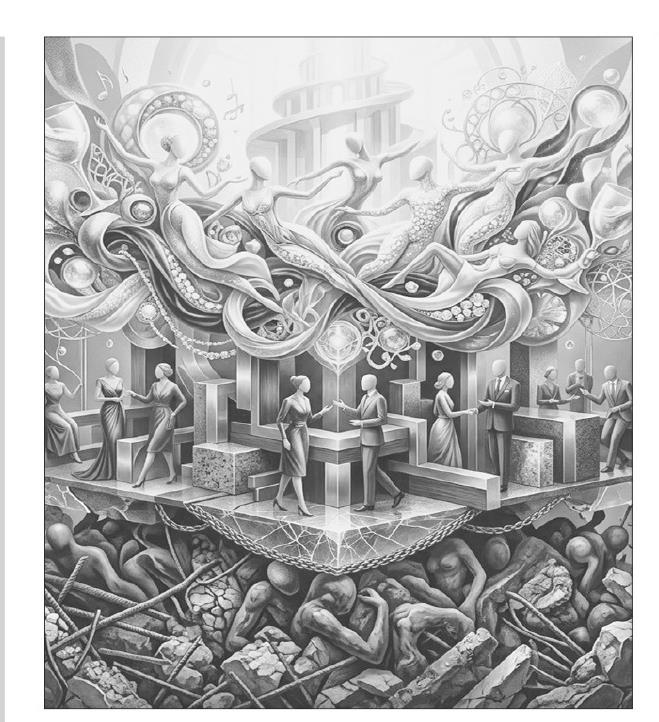
PAKISTAN’s bureaucracy can be divided and subdivided into many groups and tiers, but, among all, only three groups are considered elite groups; the Pal(istan Administrative Service (PAS), the Police Service of Pal(istan (PSP), and the Provincial Management Services (PMS).
Among these management services, PAS and PSP groups are managed and controlled at the federal level through the Establishment Division, while the PMS officers are regulated by the respective Service and General AdministrationDepartment (S&GAD) of each province.
Among the three elite groups, PAS, previously known as the District Management Group (DMG), dominates all three, as its officers hold strong government offices across Pal(istan. Resultantly, PSP and PMS officers are largely dependent on the goodwill of PAS officers in one way or the other. PSP officers’ promotions and postings are mainly managed through PAS officers posted at the Establishment Division, while PMS officers in the provinces are posted, promoted and transferred in theirrespective provinces by the chief secretary’s office, which is also dominated by PAS officers.
PAS officers posted at the Establishment Division and provincial S&GAD offices always try their level best to keep the number of promotions of PSP and PMS ofñcersin highergrades to the bare minimum so that they may keep enjoying top-tier positions. As a result, both PSP and PMS groups are often found expressing their reservations regarding PAS cadre’s monopoly.
Similarly, PAS officers, despite being federal government employees, often breach provincialsanctity by bypassing the already decided distribution of posts among themselves and provincial cadre bureaucrats. Despite being in minority across the provinces, PAS officers often occupy a commanding position and tend toignore provincialbureaucrats against any notable posting.
For instance, in Punjab, PAS officers are currently holding more prime positions than PMS officers; out of a total 41 deputy commissioners, 35 belong to PAS. In this regard, the PMS officers’ association haseven approached provincial lawmakers.
Resultantly, Punjab Assembly’s special committee has initiated proceedings to ensure the posting of PMS officers against their decided quota in accordance with the 18th Amendment. Only time will tell whether the provincial assembly would be able to establish its writ and establish provincial autonomy by way of ensuring the appointment of all bureaucrats as per the decided constitutional formula.
Dr Ahmed Osama Gill Gujranwala