Influencers galore
2026-01-13
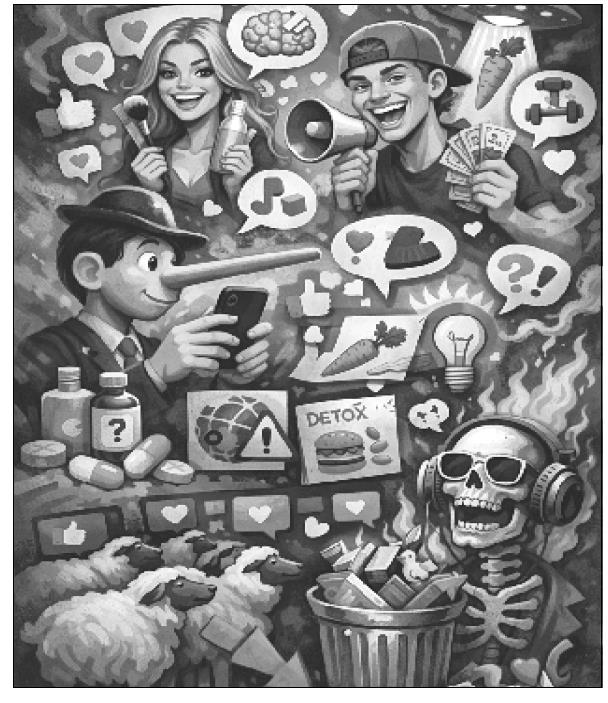
THE Cyberspace Administration of China (CAC) has adopted new regulations requiring that social media influencers possess valid professionalcredentials, such as degrees, licences or certifications, before offering advice or commentary on sensitive topics, including health, finance,law, education and medicine. This step reflects growing concerns over the dangers of misinformation, and unqualified individuals dispensing guidance that can affect public wellbeing.
From a Pakistani standpoint, the Chinese initiative carries clear merit. The proliferation of social media personalities offering medical recipes, financial schemes, or legal opinions without proper expertise is already a problem here. A policy that aims at ensuring only knowledgeable, credential-verified voices speak on technical matters could help safeguard ordinary people against harmful or misleading advice.
At the same time, it is equally essential torecognise thatrealexpertise doesnot always come from formal degrees. In Pakistan, as elsewhere, many respected journalists, analysts and field professionals may lack specialised academic credentials, but their insights are grounded in years of investigative work, reporting, policy-level interactions and continuous self-education.
Their contributions often rise above theoretical understanding and carry muchgravitas that a certificate alone cannot confer. Imposing a rigid, degree-only standard risks silencing voices that have earned their credibility over decades, thereby diminishing the diversity and the richness of public discourse.
A much more balanced and fair approach would be to combine regulation of unqualified influencers with recognition of demonstrable, real-world expertise, whether via published reports, long-term fieldwork, journalistic output or track record. Influencers offering advice should, indeed, be held to high standards, but seasoned professionals should notbe excluded simply because they lack formal academic credentials. Such a nuanced framework would protect the public from misinformation while preserving all the independent, informed and trustworthy voices across media and policy debates.
Majid Burfat Karachi