
IN many Pakistani homes, women are the first to notice when a family member is unwell. They arrange appointments, remind loved ones to take medicines and ensure everyone is cared for. Yet, when it comes to their own health, they often choose to wait. This tendency to put others first can have serious consequences, particularly for conditions such as diabetes that may develop without obvious symptoms.
Women face certain health risks that deserve greater attention. Diabetes during pregnancy, for example, can affect both mother and baby and increase the mother’s risk of developing type 2 diabetes later in life. Conditionssuch as Polyendocrine Metabolic Ovarian Syndrome may also be associated with insulin resistance and increased metabolic risk.
For many women, finding time for physical activity, medical appointments or even regular meals can be difficult amid household and professional responsibilities. We need to make it easier for women to prioritise their health without feeling guilty about doing so.
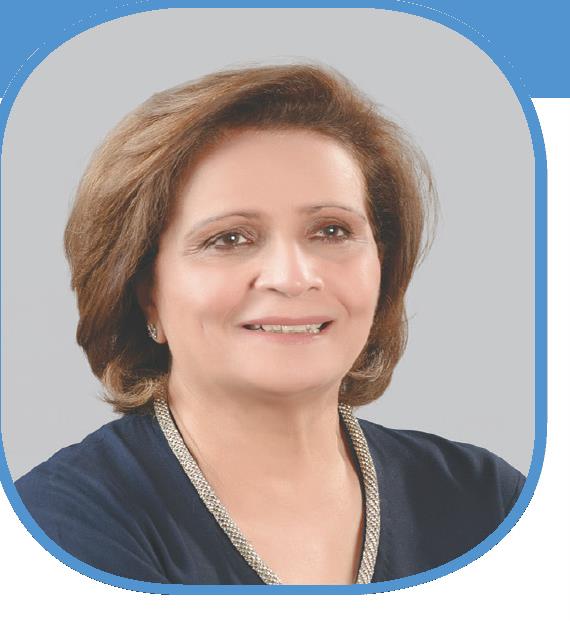
Families have an important role to play by encouraging regular check-ups, supporting healthier routines and recognising that women’s wellbeing matters. Early action on diabetes begins with awareness, but meaningful change begins when women have the support and opportunity to act on it. Prof Emerita (Dr) Tasnim Ahsan is a distinguished Endocrinologist who currently serves as Secretary, Faculty of Endocrinology at CPSP, and Director of Diabetes, Endocrinology & Internal Medicine at OMI Institute.