
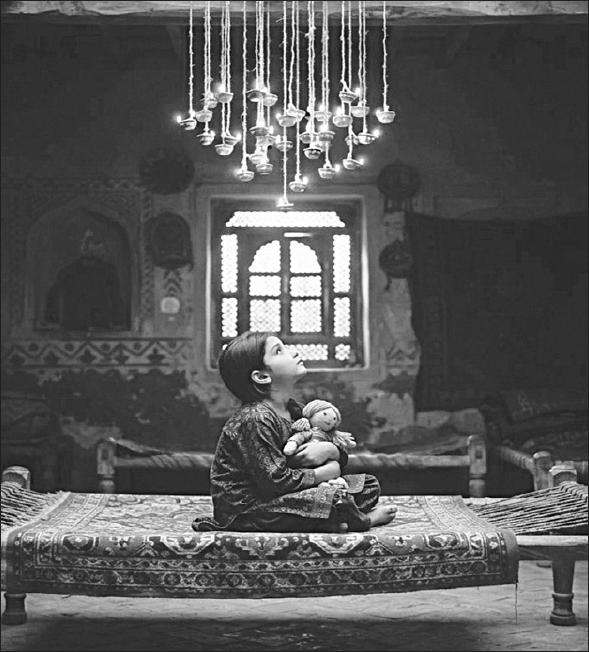
THE World Children’s Day was observed earlier this month (Nov 20), giving us all an opportunity to focus not only on children’s physical wellbeing, but also on the psychological and emotional aspects of their growth process.
In case of a physical ailment, children get admitted to paediatric inpatient care unit and medical treatment is provided under full-time supervision of doctors and healthcare facilitators. Every child’s problem is given a diagnosis, and the condition is carefully monitored. Every rise and fall of the child’s chest cavity on mechanical ventilator, every clipped pulse oximeter on the finger, and every cannula represents resilience.
Even in the neonatal ICU incubators, newborn babies start the fight for survival even before they learn to open their eyes fully. The other dimension to a child’s medical journey involves outpatient treatment, physiotherapy and rehabilitation services. Paediatric OPDs treat children in line with physical or developmental challenges the children are born with, or conditions they develop over a period of time.
Despite increasing awareness amongst parents for the early treatment of their children with medical needs, there is still a gap in identifying problems in children who are physically fit and apparently healthy. The matter is often overlooked, or remains unidentified. Just because the problems of these children do not fall under the umbrella of a medical diagnosis does not at all mean they do not have any challenges in their lives. According to a research published in Child and Adolescent Mental Health, most children experience a greater burden of emotional problems than their parents perceive.
Usually, optimism is often overestimated by parents regarding their children, and worry is often a concept parents believe their children do not usually experience.
According to the World Health Organisation, every sixth child, or 400 million children globally, aged under five years, suffer psychological maltreatment, or are punished physically, and one in five women and one in seven men report having been abused as a child. In addition, as reported by the United Nations Educational, Scientific and Cultural Organisation (Unesco), every third student gets bullied by peers at least once a month.
Alarmingly, every sixth child globally aged 11-12 years is reported to be facing academic pressure, as stated in a study conducted in the Netherlands and published in The Journal of Early Adolescence.
All this data provides more than sufficient evidence that children’s problems do not always fall within strict boundaries and textbook-defined conditions. Parents must recognise that a child does not need to be visibly unwell or have a medical condition to have struggles that deserve parental support and attention.
Every childhood is a delicate phase of development and, therefore, children deserve to be reassured that they are safe to speak, and safe from being judged and punished, and that their experiences would not be overlooked just because they are young. Let us all vow to look beyond our children’s smile, to listen to their concerns, and to ask ourselves if we are truly listening to the untold stories.
Minhaj Fatima
Karachi