
Have you ever had a friend? Somebody to comfort you, somebody to cover for you, somebody to help you? Doesn’t that sound wonderful?
In modern times, friendships are often built on social media platforms like Instagram, Snapchat and TikTok. While this may seem worthwhile, in practice, it doesn’t always work! Having a friend means knowing them, not just following them.
There are several problems with such a technology-driven life. For one, you may have friends online, but they may not know half the things you know about yourself. Secondly, spending most of your time indoors on your mobile device is neither physically nor mentally healthy. Sure, using it once or twice a week may be fine, but being on your phone 24/7, trying to build a reputation online and remaining oblivious to the outside world is no way to live!
Maintaining a balance between your online and offline lives is a more sensible approach. Otherwise, you risk making false friends online while missing out on real friendships outside. Such habits can make us increasingly ‘unsocial’.
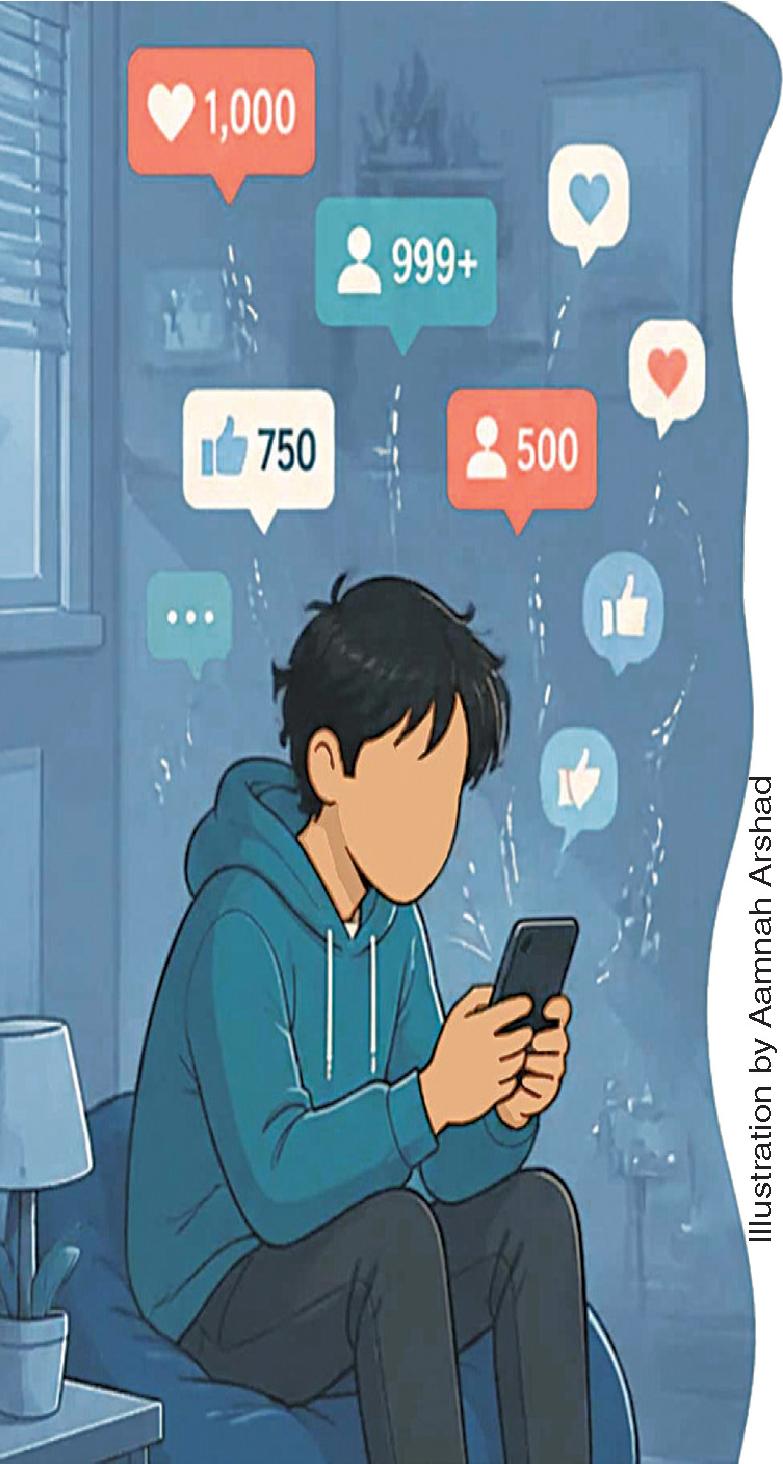
One of the addictive aspects of social media is the urge to build a reputation. Gaining likes, comments and followers is not the same as building genuine friendships in your neighbourhood, town or even city. I know a bunch of people who are stuck in the same trap. Cooped up in their bedrooms, they make videos just to gain followers and likes. This not only affects their studies but also damages their social lives.
There is a certain age when making friends is especially important. If you spend that time on Instagram or TikTok instead, you may miss out on opportunities to build friendships that could last a lifetime.
Again, we all know social media is not evil. Some apps help people stay in touch and you may even learn new tricks that will help you in life. However, social media should not become the centre of your life. Such apps can also contribute to problems like FOMO (fear of missing out). This fear can make people anxious about being left out and push them to use social media even more to gain attention. All they can think about is the possibility of losing followers and likes or, in other words, losing attention.
This can even lead children to distance themselves from their families. Imagine not caring about your family! That is one of the reasons social media can make us less connected to the people around us, including our family and friends.
To prevent such problems, there are several things we can do. If you are a child reading this and spend most of your day on social media, try cutting down your screen time. Use the rest of your time to study or go outside and play. Who knows? You may make a few more true friends than you expected!
If you are a parent reading this, don’t be too harsh on your children to begin with. Try explaining the dangers of social media to them. If they don’t listen, you can put restrictions on their devices.
For all the kids reading this, remember: control the scroll, don’t let it control you! ■