
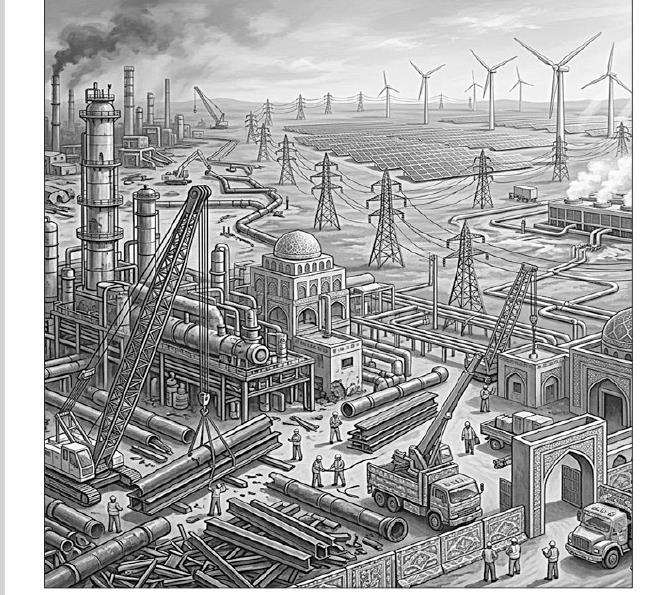
THE energy sector in Pal(istan continues to face a structural imbalance that is increasingly difficult to ignore. While the country is gradually shifting its power generation mix away from furnace oil towards regasified liquefied natural gas (RLNG), hydropower, solar and wind, the refining sector has not kept pace with this transition. As a result, low-value furnace oil has become a surplus product with limited domestic demand, creating both economic inefficiency and export pressure at discounted prices. This mismatch highlights the urgent need for refinery modernisation, particularly through the installation of deep conversion technologies, such as hydrocracking units.
These units also play a central role in upgradingheavy hydrocarbonsinto high-value, cleaner fuels including diesel, petrol, jet fuel and liquefied petroleum gas (LPG). In effect, they convert what is increasingly a stranded product into strategic energyvalue.
At present, the refineries still produce significant quantities of furnace oil as part of their traditional configuration.
With declining local consumption, this product is either stored, blended at low margins, or exported at prices that do not reflect its true potential value. At the same time, the country continues to import a large volume of refined petroleum products and petrochemicals, placing a sustained pressure onforeign exchange reserves.
Hydrocracl(ing offers a practical solution to this contradiction. By actually enabling ‘bottom-of-the-barrel’ upgrading, it not only improves the product slate of refineries, but also enhances fuel quality in line with Euro-V standards. More importantly, it reduces reliance on imported fuels and allows greater production of petrochemical feed stocks, such as naphtha, which can support domestic industries in plastics, textiles, paints and chemicals.
Globally, hydrocracl(ing has become a defining characteristic of modern refiningsystems. Pal(istan, however, remains far behind largely due to delayed investment decisions, policy uncertainty and financing constraints. The introduction of the Brownfield Refinery Policy, 2023, was a positive step in addressing these challenges.
However, implementation has been slow and uneven.
Pakistan has a long history of delayed refinery upgrades which underscores the needfor consistent policy direction and investment certainty. Earlier attempts to establish hydrocracl(ing capacity date back tothe1980s and1990s,butthey were abandoned due to shifting priorities and institutional constraints. The cost of such delays is now evident in continued import dependence and underutilisation of domestic refining potential.
At a time when energy security, foreign exchange stability and industrial competitiveness are closely interlinl(ed, refinery modernisation can no longer be deferred. Hydrocracking and other deep conversion technologies should be viewed not as optional upgrades but as essential infrastructureforafast-changingenergy landscape.
A coordinated national effort involving policymal(ers, refineries and international investors is required to move these projects from proposal to execution. If implemented effectively, refinery modernisation can help transform Pakistan’s energy sector from a vulnerability into a source of strength, reducing import dependence while adding value to domestic resources.
Hussain Ahmad Siddiqui Islamabad