
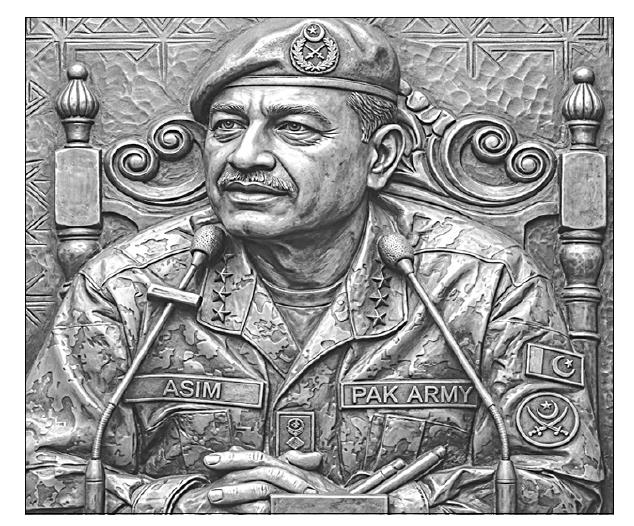
THIS is with reference to the report ‘Makkah pact allies move from defence to diplomacy’ (Oct 27) and the editorial ‘Regional security’ (Oct 28). The meeting in Tehran was the result of weeks of diplomatic efforts by Pakistan, especially by Chief of Defence Forces and Chief of Army Staff Field Marshal Syed Asim Munir, who, as confirmed by the Iranian Foreign Ministry, floated the proposal and made everything happen. The official joint statement committed the four countries Pakistan, Iran, Turkiye and Saudi Arabia to continuing dialogue and strengthening cooperation for regional peace and security.
There may be some who would argue that the talks did not produce any major breakthrough, but one should keep in mind the simple fact that the talks themselves were a clear breakthrough in the current global and regional atmosphere, and demonstrated that the four countries were willing to practically explore alternatives to confrontation.
The meeting also raised the possibility of regional states taking greater responsibility for their own security rather than depending on Washington, Moscow or Beijing. While this opening remains fragile and vulnerable to renewed violence or miscalculation, it created an important channel for communication at a time when further escalation could have far-reaching consequences.
The confirmation by the Iranian Foreign Ministry that the crucial meeting was the brainchild of CDF Munir was a rare piece of public credit for a military leader who had been shuttling across capitals, talking to the Americans, the Iranians, the Saudis and the Turks, turning Pakistan’s connections into a diplomatic asset. It suggests that Pakistan can play a constructive role in the world, and that its military is not just a fighting force, but a diplomatic instrument. That perception matters. It shapes how Pakistan is seen abroad and how Pakistanis see themselves.
The road ahead is not easy. It requires a kind of diplomacy that is patient, quiet and persistent. It requires leaders willing to take risks for peace and absorb criticismfrom all those who prefer confrontation.
The Muslim world has no shortage of challenges. It has no shortage of divisions.
It has no shortage of external actors eager to exploit those divisions for their own purposes.Butit alsohas no shortage of people who want peace, who want development, and, indeed, who want a future where their children can grow up without the shadow of war. The Tehran meeting was a reflection of that desire.
The question now is whether the opening created in Tehran will be widened or allowed to close. The answer to this key question depends on the courage and persistence of the people who made the meeting happen. And, it also depends on whether the words spoken in Tehran are followed by actions that fully match them.
Abdul Basit Alvi Muzaffarabad