
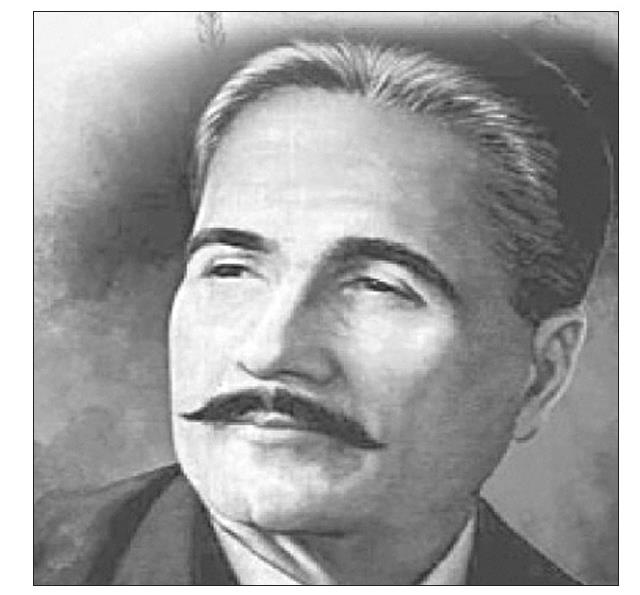
TODAY (Nov 9) marks the birth anniversary of Allama Muhammad Iqbal, one of the greatest philosophers, intellectuals and poets of the Muslim world. Known as the Poet of the East and the ideological thinker whose vision contributed to the creation of Pakistan, Iqbal was not merely a literary figure. He was a revolutionary voice that sought to awaken individuals and nations from intellectual stagnation, social decline and spiritual complacency.
His birthday is an occasion to celebrate his literary legacy and to reflect on his philosophy and its relevance to Pakistan’s younger generation. At the centre of Iqbal’s philosophy is the concept of khudi, or selfhood. For Iqbal, khudi was not arrogance or self-centredness; rather, it represented self-awareness, dignity, confidence, discipline and the realisation of one’s potential. He believed that individuals could transform their destinies by recognising theirinner strength and developing an unshakable commitment to their goals.
Iqbal’s message carries immense significance for Pakistani youth. At a time when many young people struggle with uncert ainty, unemployment, limite d opportunities and a lack of direction, Iqbal’s philosophy encourages them to believe in their abilities, acquire knowledge and become architects of their own future.
Another defining feature of Iqbal’s thought is his symbolism of the Shaheen, which represents freedom, courage, ambition, self-reliance and the ability to soar above limitations. Iqbal wanted young Muslims to possess the spirit of the eagle: to dream big, embrace challenges and refuse to surrender. His poetry inspires the younger generation to break intellectual barriers, question outdated assumptions and pursue excellence in every field.
Allama Iqbal also placed extraordinary importance on knowledge, education and independent thinking. He believed that the revival of a nation was impossible without intellectual awakening. However, he did not advocate education merely as a means of securing employment or earning degrees.He envisioned an educational system that developed character, creativity, moral responsibility and the ability to distinguish between right and wrong.
Equally important is Iqbal’s emphasis on action. He rejected passivity and believed that meaningful change required courage, determination and consistent effort. His poetry reminds the young that dreams without action remain incomplete. Pakistan needs a generation that does not simply criticise existing challenges, but contributes practical solutions through professional excellence, responsible citizenship and community service.
Iqbal’s philosophy also highlights unity, social justice and collective responsibility.
He envisioned a society in which individuals were respected for their character and contributions rather than divided by prejudice, class or narrow interests. His message encourages Pakistani youth to rise above intolerance, promote harmony and build an inclusive and prosperous society.
Iqbal’s ideas should inspire young Pakistanis because his message is timeless.
The most meaningful tribute to the Poet of the East is for our youth to become active participants in building the Pakistan that was envisioned by the founding fathers.
Riaz Ahmad Karachi