
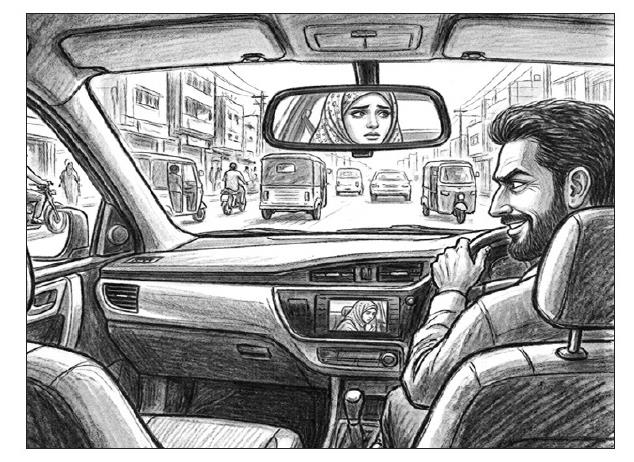
WHEN women book a ride using some ride-hailing platform, it is a matter of routine for them to first check the license plate against the one mentioned on the app, and then send their live location to a relative at home. Only then, they board the vehicle. This has become so normalised that nobody bats an eyelid anymore. The fact is that this forced routine is indicative of the risks women face in society.
Every other day, women complain about receiving inappropriate messages long after a ride ends, or drivers deviating from the designated route. Others recount uncomfortable questioning or conduct that turns the ride into a harrowing experience.
A ride-hailing driver was recently arrested for assaulting a female passenger during her ride. A few weeks later, another female passenger reported that the driver veered off the planned route without explanation, leaving her deeply unsettled.
The Federal Ombudsperson Secretariat for Protection Against Harassment (FOSPAH) has reminded the ride-hailing companies that they have a heightenedresponsibility to provide safe, respectful travel to their female customers. Ridehailing services do promote some measures, like GPS tracking, an SOS button, and removal of drivers who misbehave, but solutions that only take effect after something happens do not prevent issues and the ‘account removal’ of driver is not the same as justice. When actions turn criminal, they need to be handled by the justice system.
There are several questions that need answers. How thorough is the background screening? Is it done only once during hiring or do companies re-check it later? Do they conduct safety audits regularly, or just after a major incident? And who verifies these companies’ claims beyond their own statements? Pakistan ranked last among 148 countries in the World Economic Forum 2025 Global Gender Gap report.
If women feel unsafe travelling to work or classes, they will soon stop altogether.
The change will not come around by itself.
Things would change when companies, regulators and police stop treating harassment and abuse cases as mere customer service complaints, and start addressing them for what they often are a crime.
Sara Ali Attock