
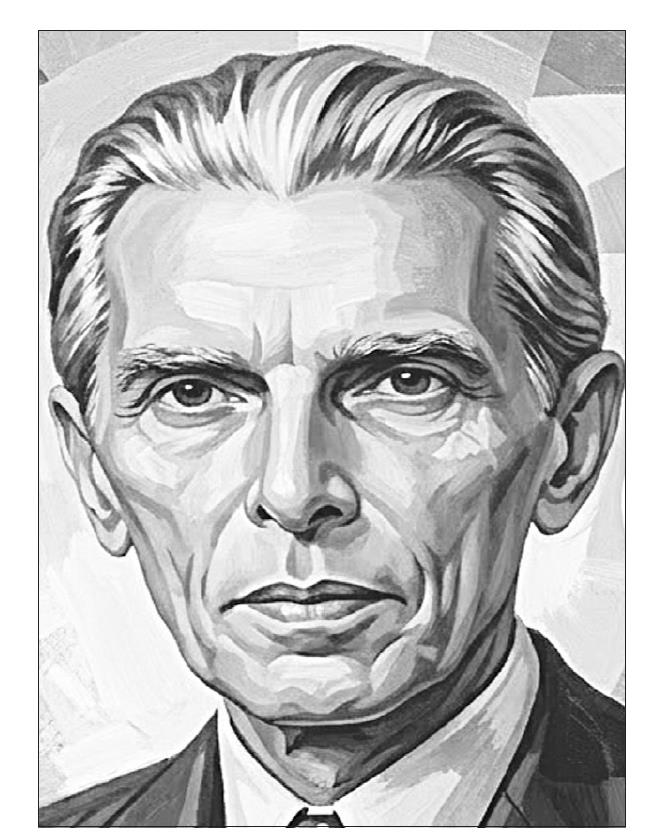
AS the nation observes the 78th anniversary of the death of the Quaid-i-Azam Mohammad Ali Jinnah, we would do well to pause for a moment and think about how well Pakistan’s young generation, growing up in a rapidly changing world, understands the vision of the country’s Founding Father. The Quaid’s larger message of integrity, discipline, equality, education and responsible citizenship still remains highly relevant to the challenges facing young Pakistanis today.
Jinnah, beyond any doubt or even debate, envisioned a country where citizens would be treated equally regardless of their religion, colour, caste or creed, and where constitutionalism, democracy and merit would guide the state. These principles should not remain confined to textbooks or speeches. They must become part of how our young think and act.
Young people in society, especially in classrooms and family discussions, are often told to ‘build Pakistan’, but are we giving them enough understanding of what kind of Pakistan they are expected to build? Educational institutions should go beyond occasional commemorative events and set up platforms and opportunities for students to engage with Jinnah’s political thought, leadership and vision.
The young among us need more than inspiration. They need direction, character and a sense of responsibility.
If we really want a stronger Pakistan, we, the elders, must ensure that Jinnah’s principles are understood, questioned, discussed, debated, and, most importantly, practised by our younger generations.
Amir Shahzad Karachi